AI Mammography Screening Shows Promise and Device Rule Gaps
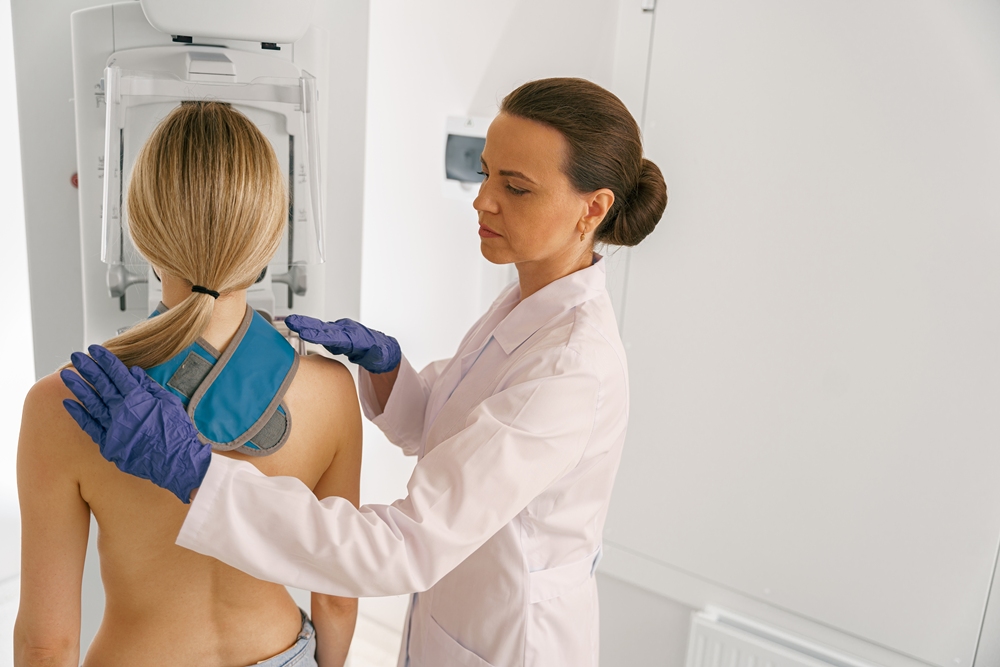
New medical findings look at AI mammography screening and the rules that govern modern health devices. A study published in Cureus reviews evidence from the MASAI trial, also known as Mammography Screening With Artificial Intelligence. The report highlights both the strong support computer tools offer and the clear gaps in device regulation today.
What is AI mammography screening?
Mammograms are special X-ray pictures that doctors use to look for early signs of breast cancer. Today, clinics test new computer software powered by artificial intelligence to review these scans. The goal is to help human doctors spot tiny spots and hidden tumors much faster than before.
When clinics use these smart systems, the software flags scans that look suspicious. This gives doctors a second pair of digital eyes during a busy workday. The MASAI trial examined how well this team effort between human experts and computer models works in practice.
Evidence from the MASAI trial
The MASAI trial gathered clear evidence about the value of computer aid in routine hospital checks. It showed that smart screening tools can safely support medical teams without dropping the quality of care. Here are the core takeaways from the new trial evidence:
- Computer programs can read routine scans and help flag signs of cancer quickly.
- Doctors get useful backup that can ease heavy workloads in screening rooms.
- The trial offers fresh clinical facts to show how computers perform on real scans.
- Researchers found that health rules must update to match how fast the tools improve.
These findings show real promise for patient care around the globe. When scans are read accurately, people get treatment earlier, which saves lives. Yet running these tools in every clinic requires high standards and dependable software that never fails.
Why device regulation rules still lag behind
Even with good trial results, the medical report warns about serious gaps in rules for smart health tools. Governments already have standards for basic hospital machines like pumps and monitors. But current regulation of artificial intelligence is often too slow to handle programs that update their code over time.
If an algorithm changes how it makes choices, regulators need ways to check its safety again. Weak rules could let unproven software enter clinics without enough tests on diverse groups of patients. Clear laws must define who checks the code and who takes blame if a scan gets read the wrong way.
What this means for your future clinic visits
For ordinary people, this news brings both good hope and a need for care. Patients can look forward to faster scan results and better cancer detection during annual checks. A doctor with a reliable computer helper might spot a problem months before a standard eye test could.
At the same time, patients should know what kind of software tests their health records. In the coming years, lawmakers will need to close safety loopholes and write stronger rules for medical software. Watching how health agencies update these device laws will show when computer screening is fully ready for every hospital.


Comments
Post a Comment